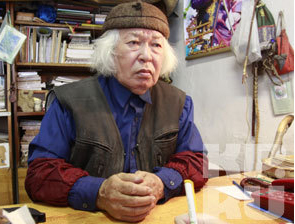
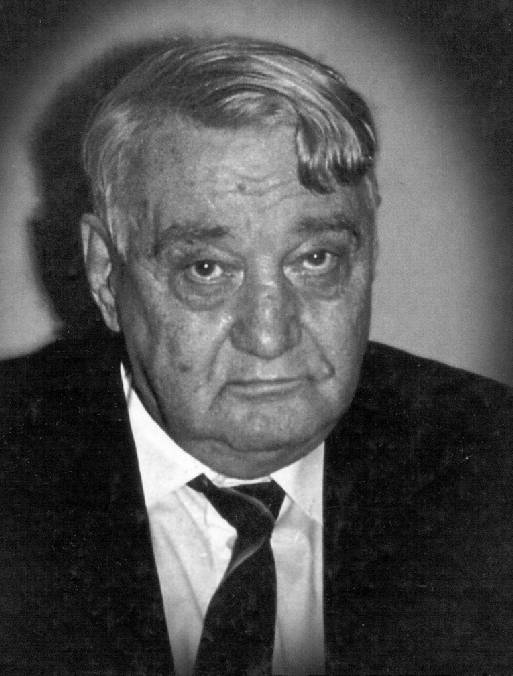
 — Kherel-ool Dazhy-Namchalovich, how do you manage to combine two such different types of activity – mental and physical? — It is always necessary to combine mental load with physical. I have many exercise machines at home. Sport and mental work should always sensibly, methodically alternate, otherwise the person who does not exercise will not be able to work productively, and especially will not be any good at scientific and research activities. Mental work uses a tremendous number of nerve centers, but during physical work they rest. It is a purely physiological process. When a person exercises energetically, the blood circulates, purifies and oxygenates, then it goes to the brain and the brain also recuperates. As a result, the capacity for prolonged mental work and the quality of thinking improve.
Portal for tuvinology
Tuva.Asia / The New Research of Tuva
Russian version/Русская версия
 created with the support of Russian Scientific Fund for the Humanities (grant #09-03-12130в)
Сегодня 19 June 2026 г.









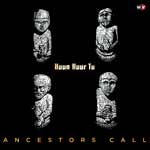 There are few musical cultures left on the planet that take us to a deeply primal place and even some of those cultures, mainly hailing from indigenous people have been swallowed up by electronic music or turned into popular culture in the form of world music. But for any of you who have listened to an a cappella Saami yoik, a traditional Navajo chant, Aboriginal didgeridoo, Tibetan nomadic music, or Tuvan throat-singing have experienced that deep primal place. Your root chakra opens. Shamanism and music were wedded to each other hundreds of thousands of years ago. The first flutes, drums, harps, etc were put to shamanic use, as were many of the early singing traditions. These shamans knew about the power and intent of sound and put it to good use either healing others in some way or put it to bad use through sorcery to trip up an adversary. But even without any prior knowledge of shamanism or ancient musical practices, a music listener can experience their rootedness to the natural world listening to primal music. This certainly proves true with the Tuvan quartet Huun Huur Tu’s latest recording, Ancestors Call.